




| Case Report | ||
J Microbiol Infect Dis. 2026; 16(3): 145-149 J. Microbiol. Infect. Dis., (2026), Vol. 16(3): 145–149 Case Report A rare case of Citrobacter youngae co-infection in a diabetic foot ulcer: Importance of deep tissue culture in a Tertiary Care HospitalArokiamary Ramaraj, Karthika Jayakumar*, Jaison Jayakaran and Sandeep KadaliDepartment of Microbiology, Shri Sathya Sai Medical College & Research Institute, Sri BalajiVidyapeeth (Deemed to be University), Puducherry, India *Corresponding Author: Karthi Jayakumar. Professor and Head, Department of Microbiology, Shri Sathya Sai Medical College and Research Institute, Tamil Nadu, India. Email: jayakumarkarthika900 [at] gmail.com Submitted: 10/02/2026 Revised: 20/05/2026 Accepted: 31/05/2026 Published: 07/07/2026 © 2025 Journal of Microbiology and Infectious Diseases
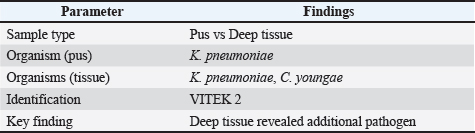
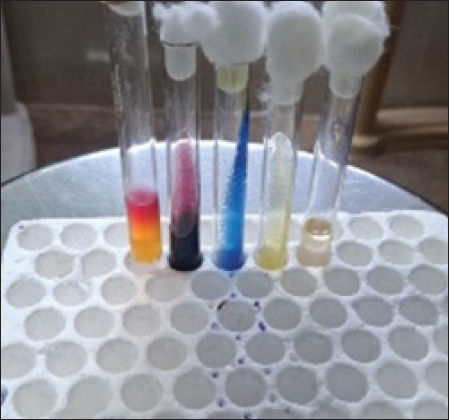
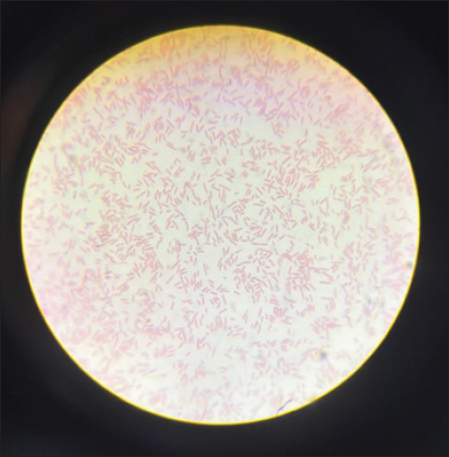
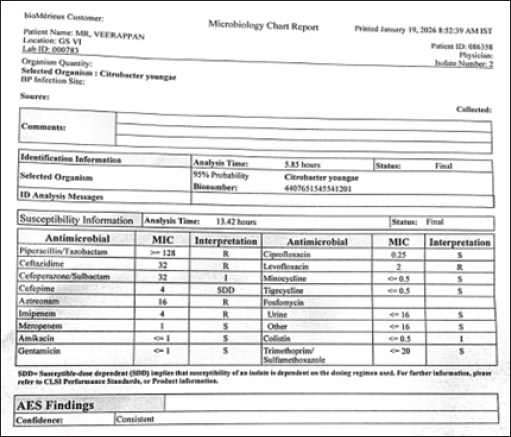
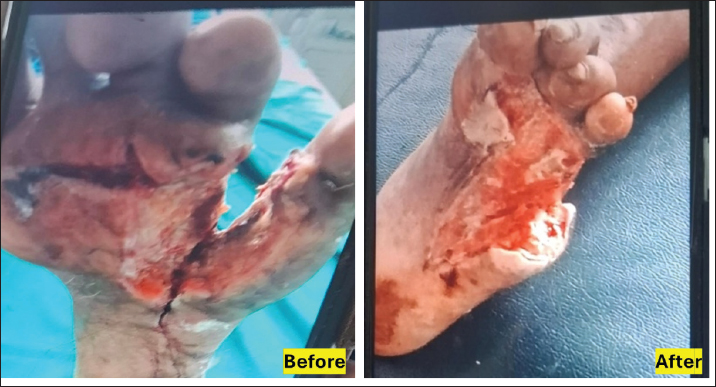
ABSTRACTBackground: Diabetic foot infections (DFIs) are often polymicrobial and require accurate microbiological diagnosis for effective management. Superficial cultures may fail to detect deeper pathogens, leading to inadequate therapy. This study aims to highlight the role of deep tissue culture in identifying uncommon pathogens. Case Description: We report a single case study of an 82-year-old male with long-standing diabetes mellitus presenting with a non-healing left foot ulcer following a thorn prick injury. Initial pus culture yielded Klebsiella pneumoniae, and empirical therapy failed to produce clinical improvement. Deep tissue culture obtained during surgical debridement revealed polymicrobial infection with K. pneumoniae and Citrobacter youngae. Identification was confirmed using the VITEK 2 automated system. Antibiotic therapy was modified based on susceptibility testing, resulting in significant clinical recovery. Conclusion: This case emphasizes that deep tissue sampling is crucial in non-responding DFIs for accurate pathogen identification and targeted therapy. Detection of rare organisms such as C. youngae can significantly alter clinical management and improve outcomes. Keywords: Antimicrobial susceptibility, Citrobacter youngae, Deep tissue culture, Diabetic foot ulcer, Vitek identification. IntroductionDiabetic foot infections are a major cause of morbidity and are frequently polymicrobial, involving both aerobic and anaerobic organisms (Lipsky, 2012). Gram-negative bacilli are commonly implicated in chronic infections, particularly in immunocompromised patients (Koneman et al., 2017). Members of the genus Citrobacter are facultative anaerobic Gram-negative bacilli belonging to the family Enterobacteriaceae and are widely distributed in the environment and human gut (Samonis et al., 2009). While Citrobacter freundii and Citrobacter koseri are commonly reported pathogens, Citrobacter youngae remains a rare clinical isolate (Gupta et al., 2013). Recent advances in automated identification systems such as VITEK and MALDI-TOF have improved detection of uncommon organisms (Liu et al., 2018). This case highlights the diagnostic importance of deep tissue culture in identifying rare pathogens contributing to persistent diabetic foot infections. Case DetailsThis is a single case report conducted in a tertiary care hospital between January and March 2026. Patient presentationOne patient with a clinically diagnosed diabetic foot infection not responding to empirical therapy was investigated. Clinical findingsNon-healing ulcer with purulent discharge. Sample collectionFollowing surgical debridement, pus aspirate and deep tissue samples (~1 g) were collected under sterile conditions. Transport procedureSamples were transported within 30 minutes in sterile containers without transport media as per IDSA guidelines (Lipsky, 2012). Culture methodSamples were inoculated onto Blood agar and MacConkey agar and incubated at 37°C for 18–24 hours under aerobic conditions. IdentificationPreliminary identification was done using biochemical tests. Final confirmation was performed using the VITEK 2 automated system (bioMérieux) (Farmer et al., 1985). Advanced methods such as MALDI-TOF were recommended but not available in this setting. Antimicrobial sensitivity testPerformed using the VITEK 2 system and interpreted according to CLSI guidelines (2024). ResultsGram stain from pus and tissue samples showed abundant pus cells and Gram-negative bacilli. Pus culture yielded K. pneumoniae alone. deep tissue culture using VITEK-2 demonstrated rare pathogen citrobacter youngae alone. Biochemical characteristics included motility, citrate positivity, H2S production, and glucose fermentation. Definitive identification was achieved using VITEK 2 with high confidence. Microbiological findingsMicrobiological findings are seen in Table 1. Antimicrobial sensitivityThe K. pneumoniae isolate was sensitive to ceftriaxone, amikacin, ciprofloxacin, and piperacillin–tazobactam. The C. youngae isolate demonstrated resistance to multiple beta-lactams but remained susceptible to meropenem, aminoglycosides, trimethoprim–sulfamethoxazole, and tigecycline. Treatment modificationBased on susceptibility results, therapy was modified to cotrimoxazole, resulting in clinical improvement. OutcomeUlcer started healing well. Biochemical tests are shown in Figure 1. Gram stain showing Gram-negative bacilli from the tissue sample is shown in Figure 2. VITEK report screenshot is shown in Figure 3. Wound images are shown in Figure 4. DiscussionDeep tissue cultures provide several advantages over superficial swabs, including more accurate identification of true pathogens, reduced contamination from skin flora, and better detection of anaerobic and deep-seated organisms (Janda and Abbott, 2006). Table 1. Microbiological findings.
Fig. 1. Biochemical testing.
Fig. 2. Gram stain showing Gram-negative bacilli from tissue sample.
Fig. 3. VITEK report screenshot.
Fig. 4. Wound images (Before and After). Citrobacter youngae remains a rare isolate, accounting for approximately 3%–4% of clinical Citrobacter isolates in hospital-based studies (Chow et al., 1991). Its identification in deep tissue suggests a true pathogenic role rather than colonization. Advanced identification methods such as MALDI-TOF or molecular sequencing could further improve epidemiological understanding (Murray et al., 2020). Additional clinical details include the duration of diabetes: >15 years, HbA1c: 8.6%, and wound classification was Wagner Grade III. ConclusionThis case demonstrates that deep tissue culture is essential in non-responsive diabetic foot infections. Identification of rare pathogens such as C. youngae significantly impacts antimicrobial therapy and clinical outcome (Radice, 2001; Gupta et al., 2013; Fonton et al., 2024; Lee, 2024). AcknowledgmentThe authors express their sincere gratitude to the Management of Sri Balaji Vidyapeeth and Shri Sathya Sai Medical College & Research Institute for providing the necessary infrastructure and institutional support to carry out this work. We are deeply thankful to the faculty and technical staff of the Department of Microbiology for their valuable guidance, continuous encouragement, and laboratory assistance throughout the study. The authors also extend special thanks to the Department of Microbiology for facilitating sample processing, microbiological analysis, and technical support essential for the successful completion of this work. Finally, we acknowledge all contributors involved directly and indirectly in the preparation and presentation of this manuscript. FundingNone. Authors’ contributionsDr. Arokiamary: Conceptualization of the study, data collection, microbiological analysis, literature review, manuscript drafting, and preparation of the final manuscript. Dr. Karthi Jayakumar: Study supervision, critical review of the manuscript, guidance in study design, interpretation of microbiological findings, and final approval of the manuscript. Dr. Jaison Jayakaran: Data interpretation, manuscript editing, technical guidance in laboratory procedures, and critical revision of the manuscript for important intellectual content. Mr. Sandeep: sample processing assistance, data compilation, and technical assistance during microbiological investigations. Conflict of interestThe authors declare that there is no conflict of interest. Data availabilityThe data supporting the findings of this study are available within the article. Additional data related to this study are available from the corresponding author upon reasonable request. ReferencesChow, J.W., Fine, M.J., Shlaes, D.M., Quinn, J.P., Hooper, D.C., and Johnson, M.P. 1991. Enterobacter bacteremia: clinical features and emergence of antibiotic resistance during therapy. Med. (Baltimore). 70(5), 319–330. Farmer, J.J., Davis, B.R., Hickman-Brenner, F.W., Mcwhorter, A., Huntley-Carter, G.P., Asbury, M.A., Riddle, C., Wathen-Grady, H.G., Elias, C. and Fanning, G.R. 1985. Biochemical identification of new species and biogroups of Enterobacteriaceae isolated from clinical specimens. J. Clin. Microbiol. 21(1), 46–76. Fonton, P., Hassoun-Kheir, N. and Harbarth, S. 2024. Epidemiology of Citrobacter spp. infections among hospitalized patients: a systematic review and meta-analysis. BMC. Infect. Dis. 24, 662. Gupta, N., Yadav, A., Choudhary, U. and Arora, D.R. 2013. Epidemiology, prevalence and identification of Citrobacter species in clinical specimens in a tertiary care hospital in India. J. Infect. Dev. Ctries. 7(2), 141–145. Janda, J.M. and Abbott, S.L. 2006. The genus Citrobacter. Clin. Microbiol. Rev. 19(1), 52–68. Koneman, E.W., Allen, S.D., Janda, W.M., Schreckenberger, P.C. and Winn, W.C. 2017. Color atlas and textbook of diagnostic microbiology. 7th ed., Coloroda: Lippincott Williams & Wilkins. Lee, C.H, Nguyen, S. T., Do, V. D., Pham, T. T. N., Nguyen, V. T., Vu, V. S., & Radice, M. 2024. Citrobacter youngae nosocomial bacteremia from postoperative pyogenic spondylodiscitis after minimally invasive spinal surgery. BMC. Infect. Dis. 24, 1409. Lipsky, B.A., Berendt, A. R., Cornia, P. B., Pile, J. C., Peters, E. J. G., Armstrong, D. G., Deery, H. G., Embil, J. M., Joseph, W. S. and Karchmer, A. W.. 2012. Infectious Diseases Society of America Clinical Practice Guideline for the Diagnosis and Treatment of Diabetic Foot Infections. Clin. Infect. Dis. 54(12), e132–e173; doi: 10.1093/cid/cis346 Liu, L.H., Wang, N.Y., Wu, A.Y.J., Lin, C.C., Lee, C.M. and Liu, C.P. 2018. Citrobacter freundii bacteremia: risk factors of mortality and prevalence of resistance genes. J. Microbiol. Immunol. Infect. 51(4), 565–572; doi:10.1016/j.jmii.2016.08.016 Manganello, S., Tayara, A., Perazzi, B., Neira, L., Famiglietti, A., Pugliese, L., Santini, P. and Vay, C. 2001. Characterization and distribution of Citrobacter species in a university hospital. Enfermedades. Infecciosas. Y. Microbiología. Clínica. 19(1), 11–14. Murray, P.R., Rosenthal, K.S. and Pfaller, M.A. 2020. Medical microbiology. 9th ed. Philadelphia: Elsevier. Samonis, G., Karageorgopoulos, D.E., Kofteridis, D.P., Matthaiou, D.K., Sidiropoulou, V., Maraki, S. and Falagas, M.E. 2009. Citrobacter infections in a general hospital: characteristics and outcomes. Eur. J. Clin. Microbiol. Infect. Dis. 28(1), 61–68; doi:10.1007/s10096-008-0598-z | ||
| How to Cite this Article |
| Pubmed Style Ramaraj A, Jayakumar K, Jayakaran J, Kadali S. A rare case of Citrobacter youngae co-infection in a diabetic foot ulcer: Importance of deep tissue culture in a Tertiary Care Hospital. J Microbiol Infect Dis. 2026; 16(3): 145-149. doi:10.5455/JMID.2026.v16.i3.2 Web Style Ramaraj A, Jayakumar K, Jayakaran J, Kadali S. A rare case of Citrobacter youngae co-infection in a diabetic foot ulcer: Importance of deep tissue culture in a Tertiary Care Hospital. https://www.jmidonline.org/?mno=309972 [Access: July 08, 2026]. doi:10.5455/JMID.2026.v16.i3.2 AMA (American Medical Association) Style Ramaraj A, Jayakumar K, Jayakaran J, Kadali S. A rare case of Citrobacter youngae co-infection in a diabetic foot ulcer: Importance of deep tissue culture in a Tertiary Care Hospital. J Microbiol Infect Dis. 2026; 16(3): 145-149. doi:10.5455/JMID.2026.v16.i3.2 Vancouver/ICMJE Style Ramaraj A, Jayakumar K, Jayakaran J, Kadali S. A rare case of Citrobacter youngae co-infection in a diabetic foot ulcer: Importance of deep tissue culture in a Tertiary Care Hospital. J Microbiol Infect Dis. (2026), [cited July 08, 2026]; 16(3): 145-149. doi:10.5455/JMID.2026.v16.i3.2 Harvard Style Ramaraj, A., Jayakumar, . K., Jayakaran, . J. & Kadali, . S. (2026) A rare case of Citrobacter youngae co-infection in a diabetic foot ulcer: Importance of deep tissue culture in a Tertiary Care Hospital. J Microbiol Infect Dis, 16 (3), 145-149. doi:10.5455/JMID.2026.v16.i3.2 Turabian Style Ramaraj, Arokiamary, Karthika Jayakumar, Jaison Jayakaran, and Sandeep Kadali. 2026. A rare case of Citrobacter youngae co-infection in a diabetic foot ulcer: Importance of deep tissue culture in a Tertiary Care Hospital. Journal of Microbiology and Infectious Diseases, 16 (3), 145-149. doi:10.5455/JMID.2026.v16.i3.2 Chicago Style Ramaraj, Arokiamary, Karthika Jayakumar, Jaison Jayakaran, and Sandeep Kadali. "A rare case of Citrobacter youngae co-infection in a diabetic foot ulcer: Importance of deep tissue culture in a Tertiary Care Hospital." Journal of Microbiology and Infectious Diseases 16 (2026), 145-149. doi:10.5455/JMID.2026.v16.i3.2 MLA (The Modern Language Association) Style Ramaraj, Arokiamary, Karthika Jayakumar, Jaison Jayakaran, and Sandeep Kadali. "A rare case of Citrobacter youngae co-infection in a diabetic foot ulcer: Importance of deep tissue culture in a Tertiary Care Hospital." Journal of Microbiology and Infectious Diseases 16.3 (2026), 145-149. Print. doi:10.5455/JMID.2026.v16.i3.2 APA (American Psychological Association) Style Ramaraj, A., Jayakumar, . K., Jayakaran, . J. & Kadali, . S. (2026) A rare case of Citrobacter youngae co-infection in a diabetic foot ulcer: Importance of deep tissue culture in a Tertiary Care Hospital. Journal of Microbiology and Infectious Diseases, 16 (3), 145-149. doi:10.5455/JMID.2026.v16.i3.2 |